DJI Neo 2 Launched in Nepal: Better Camera, Smarter Tracking, and New Navigation Upgrades
Published on: 2 weeks ago (Nov/20/2025)
Overview
DJI Neo 2 is now officially available in Nepal! Discover full specs, 4K60 camera upgrades, improved LiDAR navigation, flight time, pricing, and the best alternatives under NPR 50,000.
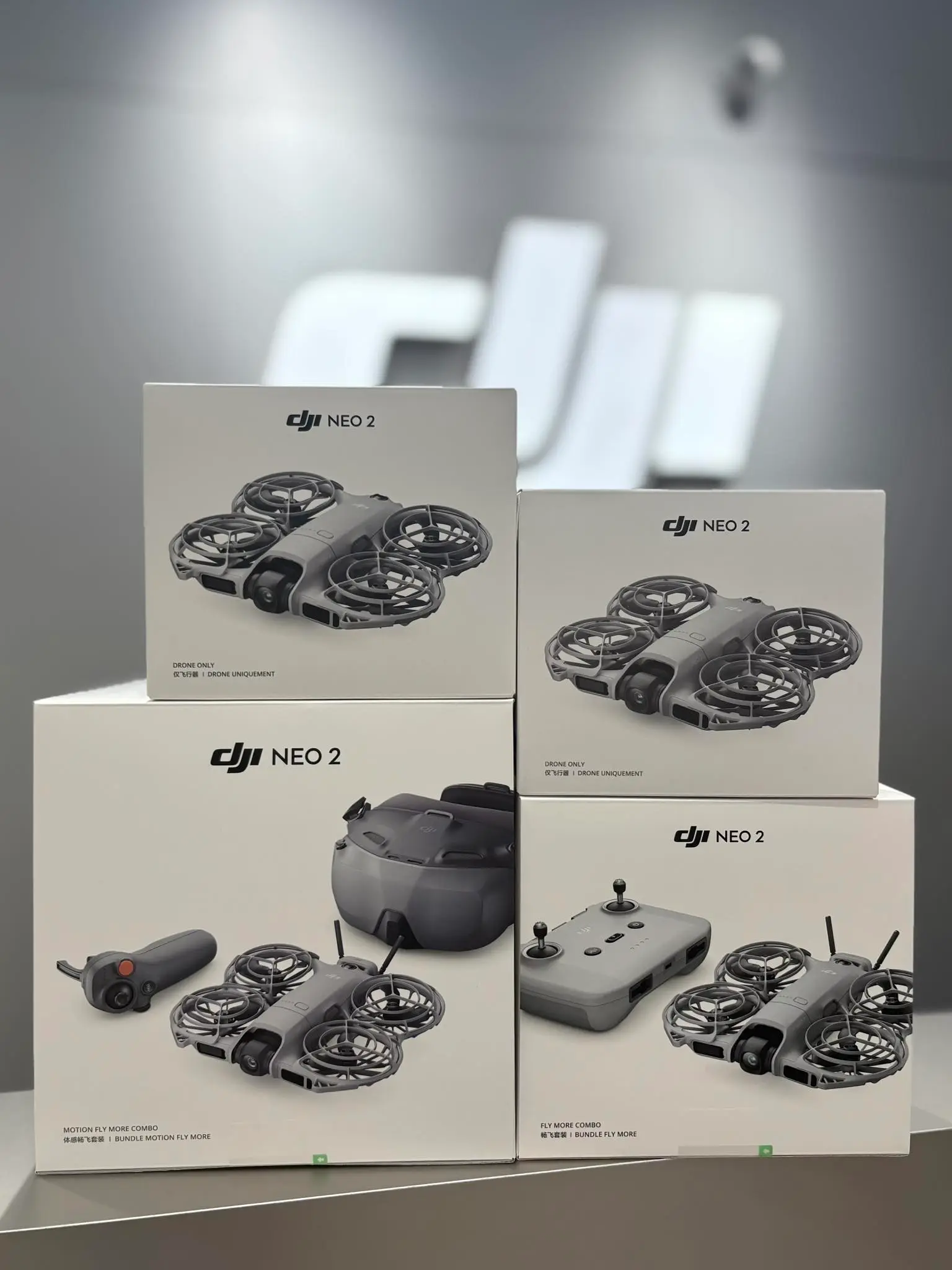
The DJI Neo 2 has officially launched in Nepal, bringing a big upgrade in navigation, tracking, and camera performance over the original DJI Neo. DJI has always been the leader in consumer drones, and the Neo 2 is built for beginners, travellers, and content creators who want high-quality footage without carrying bulky gear.
Below, we break down its specs, features, price in Nepal, who should consider buying it, and what alternatives you can find in this price segment.
DJI Neo 2 Overview
Keeping It Lightweight
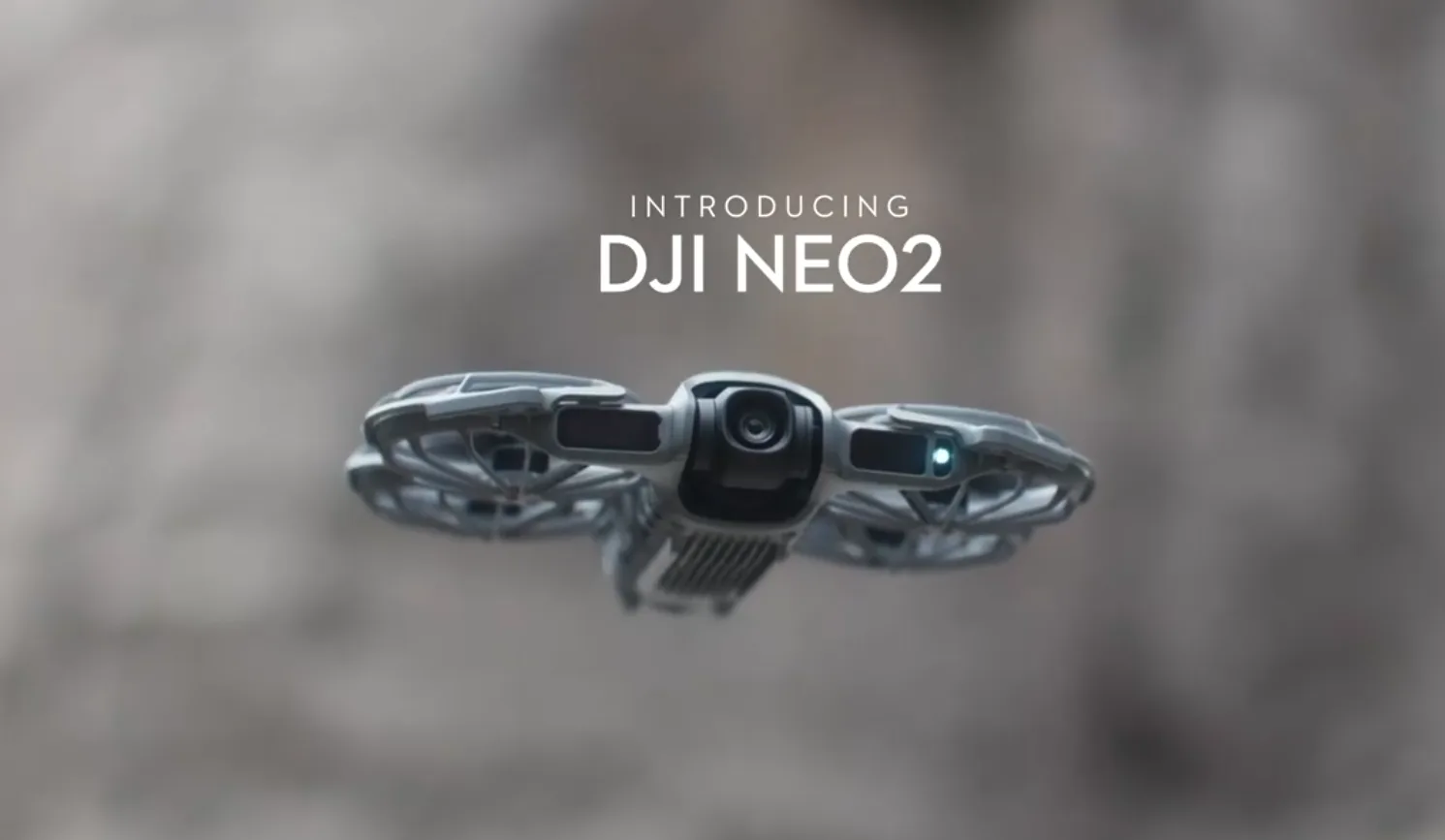
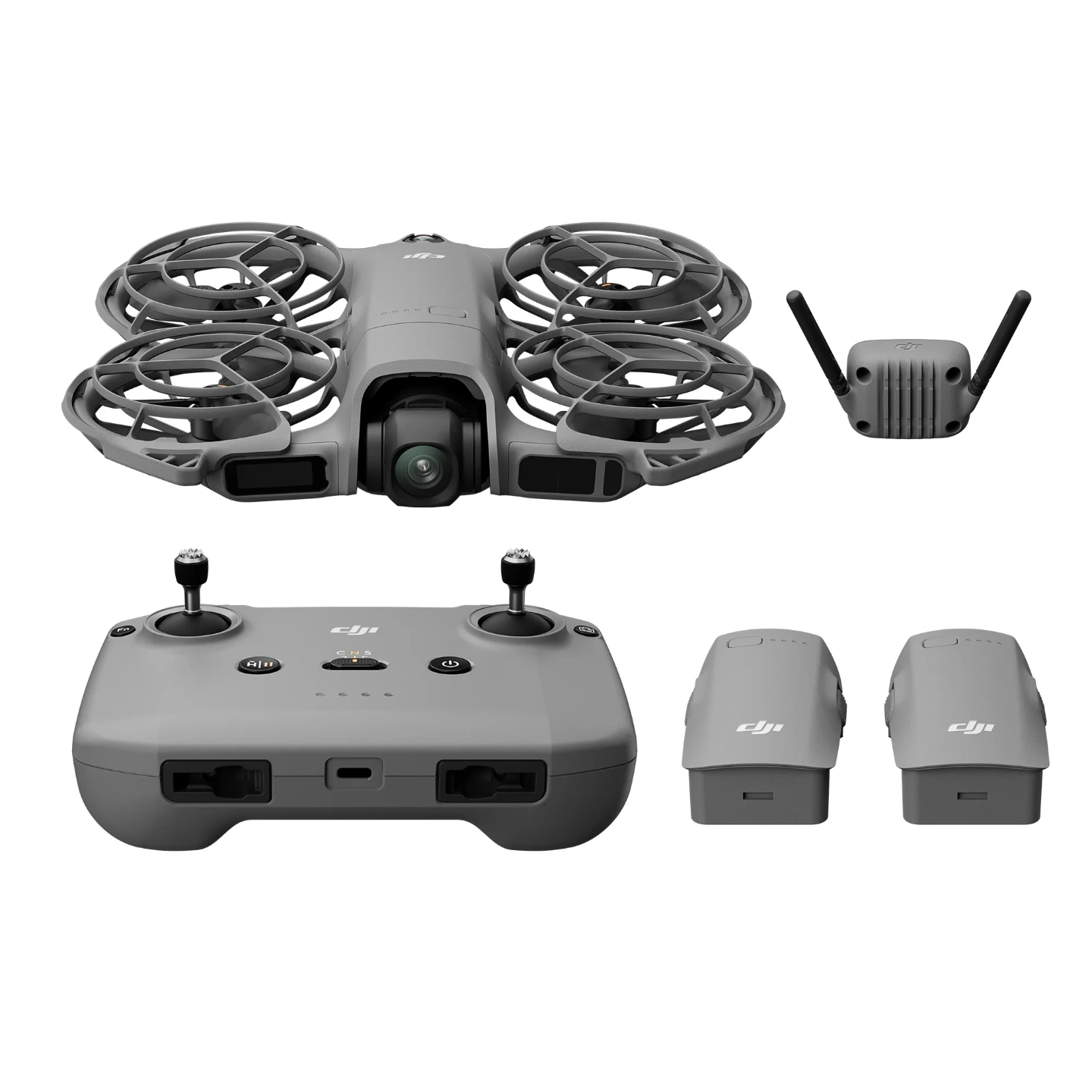
The DJI Neo 2 remains compact and lightweight at 151g, only slightly heavier than the previous Neo (135g). Since it stays under the 250g international category, it’s extremely portable and easier to fly for beginners. You can control it via simple hand gestures or through the DJI Fly app — perfect for casual creators.
Improved Sensors & Navigation
The Neo 2 gets a significant upgrade here:
-
Omnidirectional Vision System
-
Forward-facing LiDAR sensors for smoother obstacle detection
-
ActiveTrack for auto subject tracking
-
New Cycling Mode that tracks fast-moving cyclists and similar objects
These upgrades make flying safer and allow smoother autonomous tracking — great for vlogging, travel, or cycling content in Nepal’s hilly terrains.

Camera Upgrades
Even though it uses the same 1/2″ sensor, the camera is noticeably better:
Camera Improvements
-
Wider f/2.2 aperture (vs f/2.6), better for low-light
-
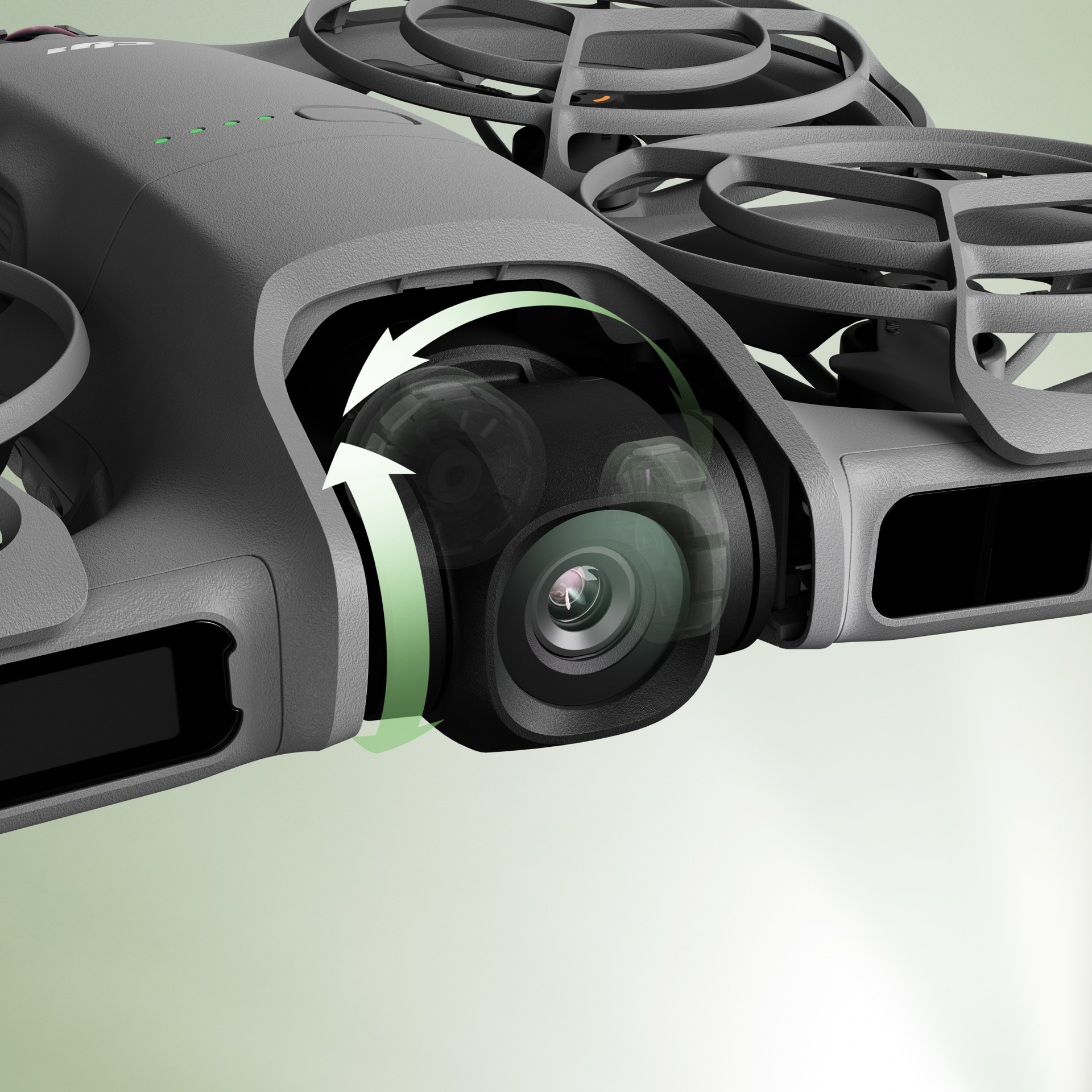
Upgraded 2-axis gimbal (tilt + roll) for more stable footage
-
Horizontal: 4K 60fps (previously 4K 30fps)
-
Vertical: 2.7K 60fps (previously 1080p 60fps)
Video Transmission
-
Default Wi-Fi range: 500m
-
Optional O4 system: up to 10km (sold separately)
-
But adds extra weight, so only useful if you need long-range flights.
-
Flight Performance & Battery
-
Max Speed: 5 m/s (huge jump from 2 m/s on Neo)
-
Max Flight Time: 19 minutes (1 minute more than Neo)
-
Wind Resistance: Level 5 (up to 10.7 m/s)
-
Flight Altitude: Up to 4,000 meters — great for Nepal’s high-altitude valleys
These improvements make the Neo 2 more reliable for outdoor use, even in slightly windy Nepali conditions.
DJI Neo 2 Specifications (Full Table)
| Feature | Details |
|---|---|
| Weight | 151g (160g with O4 Transceiver) |
| Camera | 1/2" sensor, f/2.2 |
| Video | 4K 60fps (Horizontal), 2.7K 60fps (Vertical) |
| Gimbal | 2-axis (Tilt + Roll) |
| Flight Time | 19 minutes |
| Transmission Range | 500m Wi-Fi / 10km with O4 |
| Wind Resistance | Level 5 (10.7 m/s) |
| Max Flight Altitude | 4,000 meters |
| Controller | RC-N3 (Fly More Combo options) |
| App | DJI Fly App |
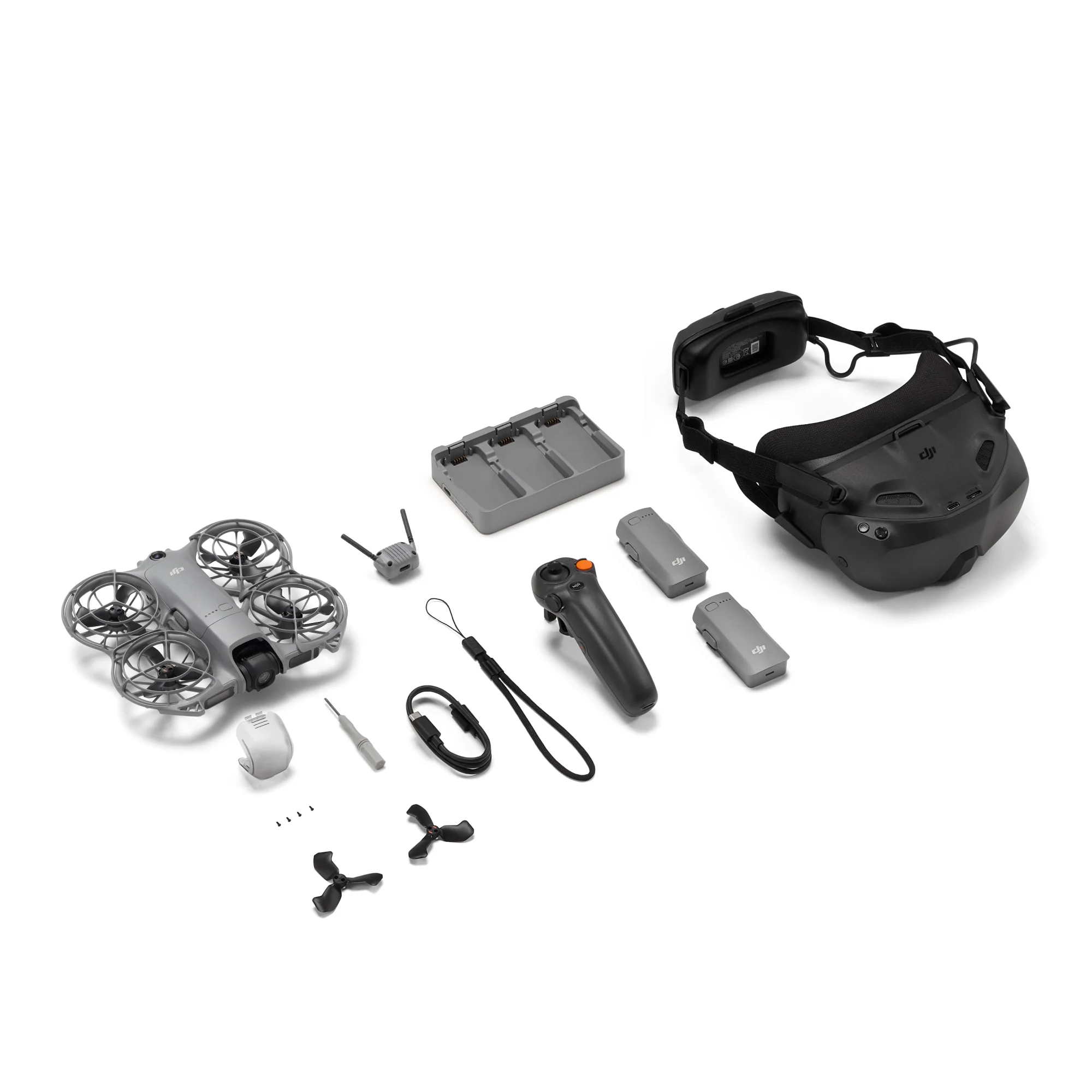
DJI Neo 2 Price in Nepal (Official)
| Model | Price in Nepal |
|---|---|
| DJI Neo 2 (Drone Only) | NPR 43,500 |
| Fly More Combo | NPR 56,500 |
| Fly More Combo + Remote | NPR 70,500 |
| Fly More Combo + FPV Goggles + Remote | NPR 105,500 |
Available at DJI-authorized stores and online platforms across Nepal.
Who Should Buy the DJI Neo 2?
Buy it if you are:
-
A beginner wanting easy controls
-
A vlogger or TikTok creator
-
A traveller who needs a lightweight drone
-
Someone who needs reliable auto-tracking (cycling, running, hiking videos)
-
A student or hobbyist drone pilot
Not ideal if you are:
-
A professional filmmaker (you may want DJI Mini 3 Pro or Air 3)
-
Someone who needs 30+ min battery life
-
Someone needing long-range flights without extra accessories
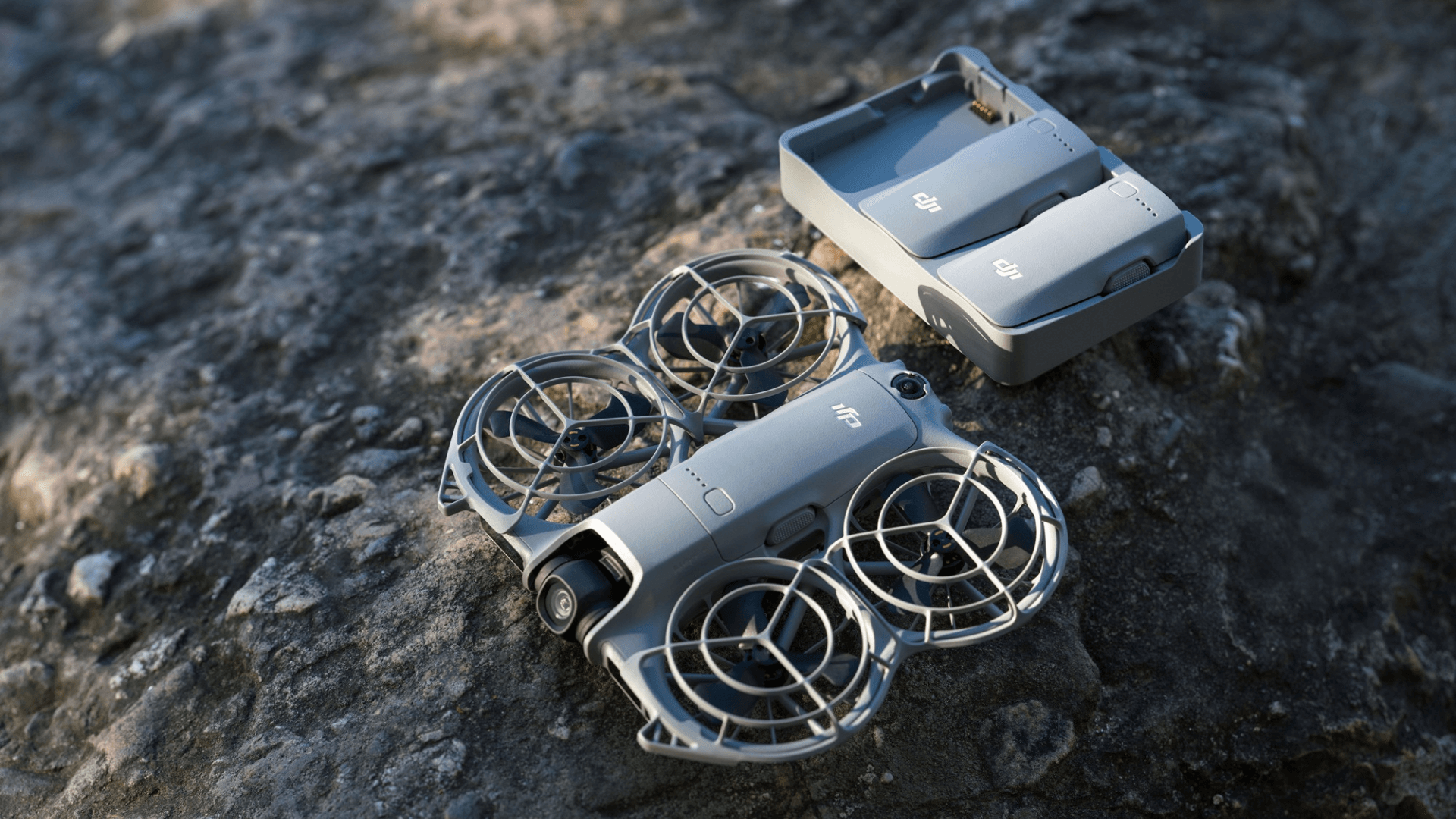
Similar Alternatives at Similar Price in Nepal
| Drone | Price | Why Pick It? |
|---|---|---|
| DJI Mini SE 2 | Around NPR 45,000 | Great for beginners, stable flight |
| Autel Nano Lite | Around NPR 48,000 | Good camera but less polished app |
| DJI Tello EDU | Cheaper | Very beginner-friendly but low camera quality |
If you add a little more money:
-
DJI Mini 3 (Around NPR 85,000) — better battery + 4K HDR
-
DJI Mini 3 Pro (Around NPR 115,000+) — pro-level tracking + obstacle sensors

hat you can buy right around the DJI Neo 2 price (≈ NPR 40–45k)
-
DJI Neo 2 (Drone-only) — The Neo 2 itself at ~NPR 43,500 is the obvious pick: light, 4K60 (horizontal), LiDAR-assisted obstacle sensing and ActiveTrack — great for travel and social video.
-
Entry-level compact drones or older DJI models — At this price you may also find older Neo / Mini 4K or discounted entry-level DJI models on Nepali retailers. These give similar portability but usually less advanced tracking/gimbal tech.
What more-enhanced / better alternatives you can buy by adding money
-
DJI Mini 3 (add ~NPR 70–80k to your budget): bigger sensor and longer flight time, more pro-features for creators. Typical Nepal price listings put Mini 3 Fly More/RC bundles much higher than Neo 2.
-
DJI Mini 3 Pro (add ~NPR 80–120k): tri-directional obstacle sensing, 48MP stills, longer flight time (~30+ min), 4K60 with better gimbal — a clear step-up for semi-pros. Nepal prices commonly list Mini 3 Pro around NPR 128,000 (RC-N1) to ~156,800 (RC).
-
Autel / other brands (add variable amount): Autel’s Nano / EVO series can be competitive on camera specs and flight time but often cost more and have different app ecosystems; availability/prices in Nepal vary a lot.
What you can buy if you reduce money (cheaper alternatives)
-
Older DJI Neo / Mini SE or second-hand Neo — cheaper, more basic camera and tracking, but still portable and beginner-friendly. Local stores/marketplaces often list discounted or open-box units.
-
Accessories instead of a different drone — if you cut to a lower drone, you could invest the saved money into extra batteries, ND filters, or a better carry case — which often improves real-world shooting more than tiny sensor upgrades.
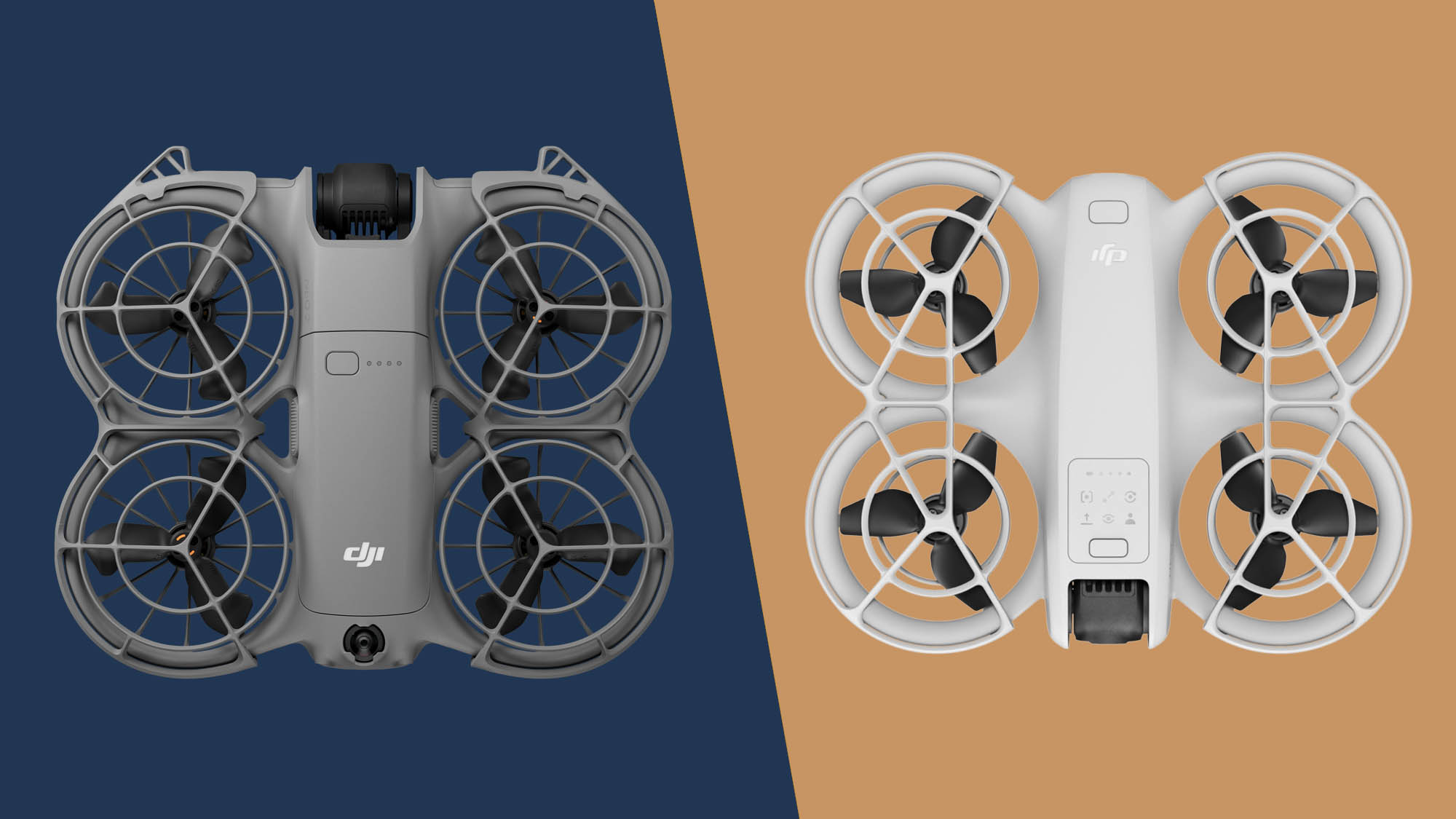
Quick comparison — DJI Neo 2 vs DJI Mini 3 vs DJI Mini 3 Pro (practical differences)
| Item | DJI Neo 2 | DJI Mini 3 | DJI Mini 3 Pro |
|---|---|---|---|
| Intended user | Beginner / social creators | Enthusiast creators | Semi-pro / creators who need pro features |
| Weight | 151 g (very light) | < 250 g | < 250 g |
| Camera | 1/2" sensor, 4K60 (H), 2.7K60 (V) | Larger sensor, 4K HDR | 1/1.3" sensor, 48MP, 4K60, better low-light |
| Gimbal | 2-axis (tilt+roll) | 3-axis | 3-axis w/ vertical shooting |
| Obstacle sensing | Omnidirectional + LiDAR (forward) | Limited / varies by model | Tri-directional sensors (better) |
| Max flight time | 19 min | ~30–38 min (model-dependent) | Up to ~34+ min |
| Nepal price (typical listing) | ~NPR 43,500 | ~NPR 120,000 (Fly More combos vary). | ~NPR 128,000 (RC-N1) to ~156,800 (RC). |
(Numbers are rounded from current Nepal retailer listings — check the exact bundle and seller before buying.)
Buying guidance (practical)
-
If you want portability + easy tracking for social videos: Neo 2 is a great value at NPR ~43.5k.
-
If you need longer flights, pro stills, and obstacle sensors: save up for Mini 3 / Mini 3 Pro — they cost significantly more but offer better cameras, flight time, and sensors.
-
If you need long-range transmission: Neo 2 supports Wi-Fi 500m by default and O4 (up to 10 km) as optional; O4 adds weight and cost — consider whether you really need the extra range.
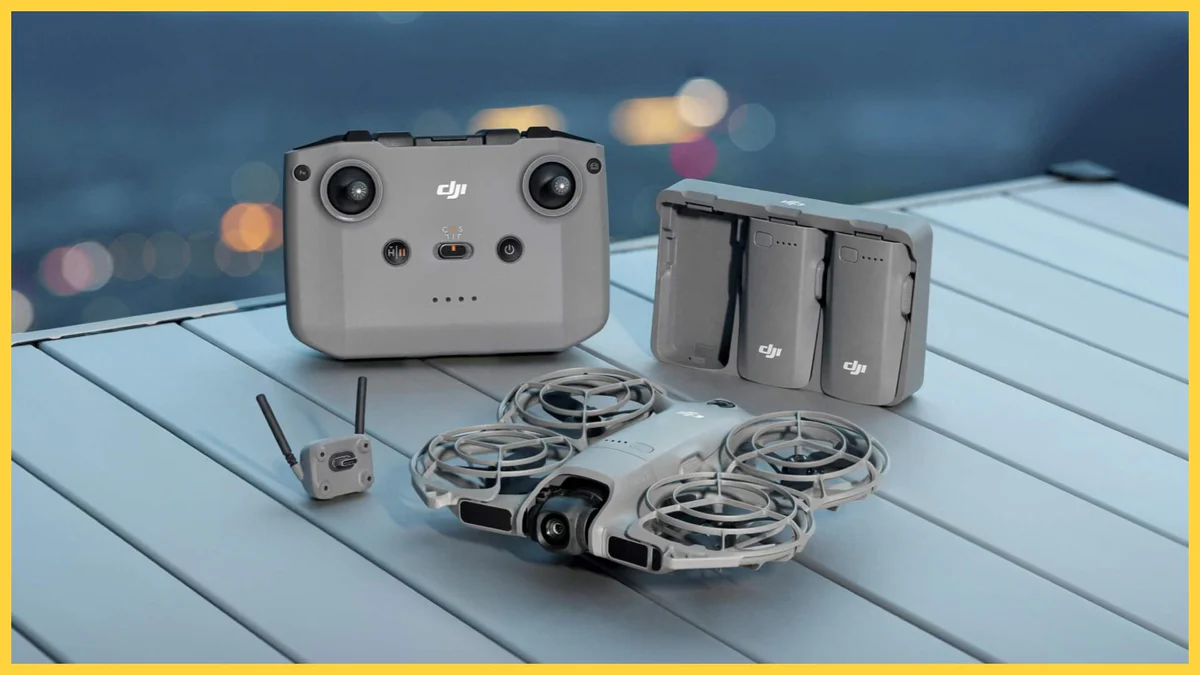
Pros & Cons
Pros
-
Very lightweight
-
Better low-light camera performance
-
4K 60fps upgrade
-
Omnidirectional sensors + LiDAR
-
ActiveTrack with Cycling mode
-
High-altitude performance (great for Nepal)
-
Improved gimbal stability
Cons
-
Optional O4 system adds weight
-
19 mins battery is still short
-
Not ideal for professional cinematography
Final Verdict (Nepal Perspective)
The DJI Neo 2 is one of the best lightweight beginner drones available in Nepal right now. For under NPR 50,000, you're getting 4K 60fps, LiDAR-assisted navigation, improved tracking, and a more stable gimbal — features that are normally found in more expensive models.
If you’re a vlogger, traveler, or drone hobbyist, the DJI Neo 2 is a fantastic upgrade and worth the price. For professional work, consider the Mini 3 or Mini 3 Pro instead.